If you want to learn how to sleep better, start here: nearly one in three American adults does not get enough sleep — and the consequences ripple through every part of life. Poor sleep impairs judgment as severely as alcohol intoxication, weakens immunity, and raises long-term risks of heart disease, diabetes, obesity, and depression.
Yet most sleep problems are fixable without medication. This comprehensive guide distills what sleep science actually says into practical steps you can start tonight.
Why Sleep Matters More Than You Think
Sleep is not passive downtime — it is active, essential biological maintenance:
- Memory consolidation: Your brain replays and strengthens the day’s learning during deep sleep
- Physical repair: Growth hormone released during sleep rebuilds muscle and tissue
- Immune function: Sleep deprivation measurably reduces vaccine effectiveness and infection resistance
- Emotional regulation: The brain processes emotional experiences during REM sleep; the sleep-deprived react more strongly to negative stimuli
- Metabolic health: Poor sleep disrupts hunger hormones, increasing cravings for high-calorie foods
How to Sleep Better: Consistency Beats Everything
If you change one thing, make it this: keep a consistent sleep and wake schedule — including weekends. Your circadian rhythm, the internal clock governing sleepiness, thrives on regularity.
People with consistent schedules fall asleep faster, experience deeper sleep, and wake more refreshed — even with the same total hours as irregular sleepers. Shifting your schedule by 2+ hours on weekends creates "social jet lag" with measurable health costs.
Action step: Pick a wake time you can maintain seven days a week, then count backward 7-9 hours for bedtime.
Optimize Your Sleep Environment
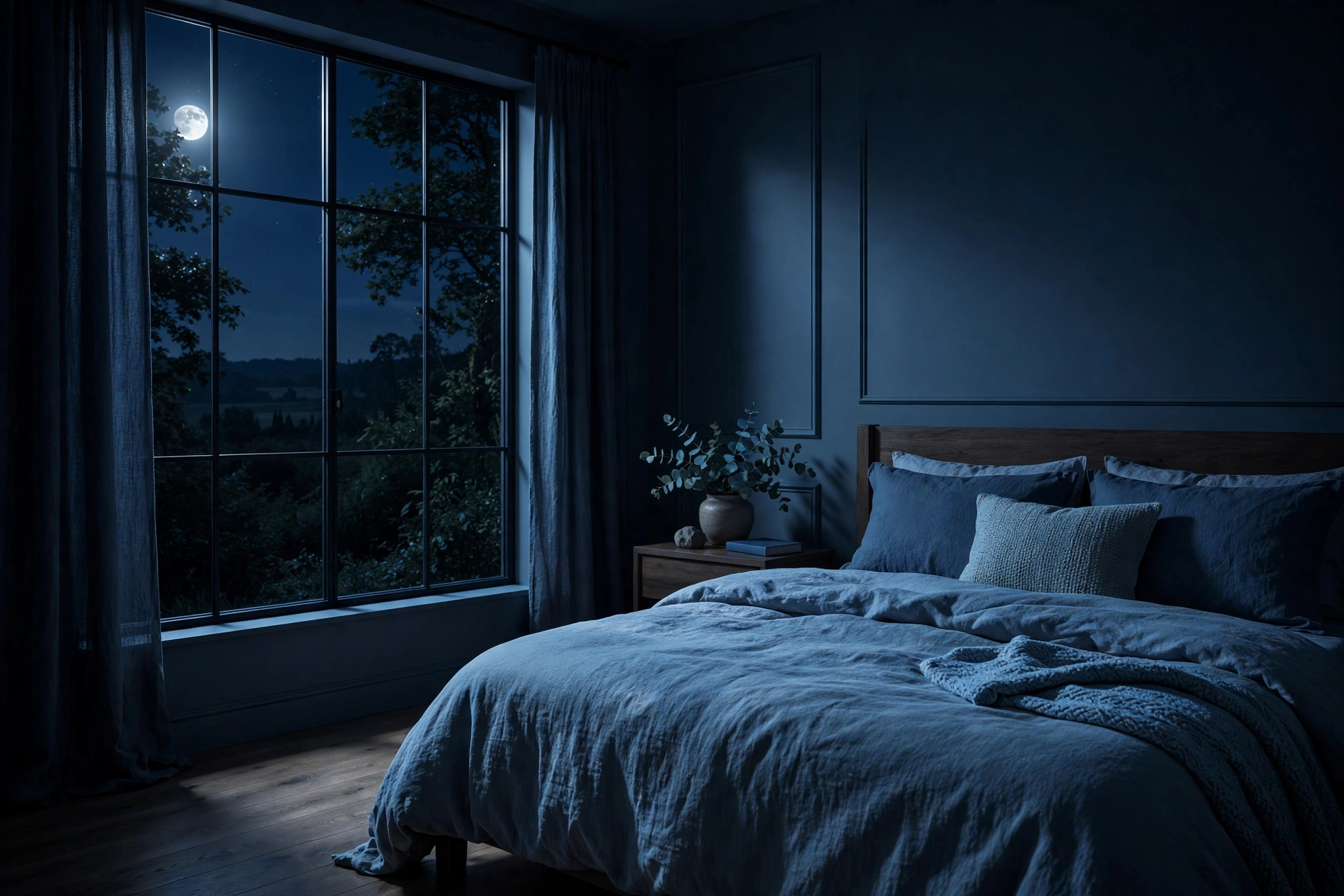
Your bedroom should signal one thing to your brain: sleep.
Temperature: Keep it cool — around 65°F (18°C). Core body temperature must drop to initiate sleep; a cool room accelerates this. Hot sleepers should consider breathable bedding.
Darkness: Even dim light suppresses melatonin. Blackout curtains or a quality sleep mask make a remarkable difference, especially for shift workers or light sleepers.
Quiet: Consistent background noise is fine; sudden noises fragment sleep. White noise machines, fans, or earplugs help in noisy environments.
Comfort: Replace pillows every 1-2 years and mattresses every 7-10. An unsupportive sleep surface causes micro-awakenings you may not remember but definitely feel.
Exclusivity: Reserve the bed for sleep (and intimacy). Working, scrolling, or watching TV in bed trains your brain to associate it with wakefulness.
The Evening Wind-Down: Your Pre-Sleep Ritual
Screens emit blue-spectrum light that suppresses melatonin for hours. The research-backed protocol:
- 2 hours before bed: Dim household lights, switch devices to night mode
- 1 hour before bed: Screens off. Replace scrolling with reading (physical books), gentle stretching, journaling, or a warm shower — the subsequent body cooling mimics the natural temperature drop of sleep onset
- Consider: Chamomile tea, magnesium-rich snacks, or 5-10 minutes of meditation
Daytime Habits That Determine Nighttime Sleep
Light exposure: Get bright light — ideally sunlight — within an hour of waking. This anchors your circadian rhythm more powerfully than almost anything else.
Exercise: Regular physical activity improves sleep quality significantly. Morning or afternoon sessions are ideal. Avoid vigorous exercise within 2 hours of bedtime (gentle yoga is fine).
Caffeine: With a half-life of 5-6 hours, a 2 PM coffee is still quarter-strength at midnight. Set a personal caffeine cutoff — noon is safest.
Alcohol: The classic trap. Alcohol shortens the time to fall asleep but severely fragments the second half of the night, suppressing REM sleep. Nightcaps borrow rest from tomorrow.
Naps: Short naps (20-30 minutes, before 3 PM) can help. Long or late naps steal from nighttime sleep.
Meals: Finish substantial eating 2-3 hours before bed. Going to bed stuffed disrupts sleep; going to bed starving does too — a light snack is fine.
What About Supplements?
- Melatonin: Effective for jet lag and schedule shifting; less proven as a nightly sleep aid. Low doses (0.5-1mg) work better than megadoses.
- Magnesium: Some evidence for benefit in deficient individuals; generally safe.
- Valerian, chamomile: Modest evidence; low risk.
Always discuss supplements with your doctor, especially if you take other medications.
When to Seek Professional Help
See a doctor if you experience: loud habitual snoring or gasping (possible sleep apnea — common, dangerous, and very treatable), persistent insomnia despite good habits (CBT-I therapy outperforms sleeping pills long-term), excessive daytime sleepiness, or restless legs disrupting sleep.
Your 7-Day Sleep Reset Plan
Days 1-2: Fix your schedule and morning light exposure.
Days 3-4: Optimize the bedroom (dark, cool, quiet).
Days 5-6: Implement the screen-free wind-down.
Day 7: Review what worked; keep the winners permanently.
The Bottom Line
Great sleep is a skill built from small, consistent choices — not a single hack. Start tonight with just two changes: a fixed wake time and screens off an hour before bed. Your energy, mood, health, and even appearance will thank you within a week.
Sleep Across the Lifespan
Sleep needs and patterns change dramatically with age — and understanding your stage helps you set realistic expectations.
Children and teenagers need significantly more sleep than adults (teens need 8-10 hours), yet early school start times systematically deprive them. If you are a parent, protecting your teenager's sleep may be the single highest-impact health intervention available: it affects grades, mood, safety, and mental health.
Adults need 7-9 hours, though individual variation exists. The rare "short sleepers" who genuinely thrive on six hours represent a tiny genetic minority — if you need an alarm to wake after six hours, you are not one of them.
Older adults often experience lighter, more fragmented sleep and earlier wake times. This is normal to a degree, but persistent insomnia or excessive daytime sleepiness still warrants medical attention at any age — poor sleep is not an inevitable price of aging.
The Sleep-Stress Cycle (and How to Break It)
Stress ruins sleep; poor sleep amplifies stress. Breaking this cycle requires addressing both sides. During the day: regular exercise, time outdoors, and realistic workload boundaries reduce the physiological arousal that follows you to bed. In the evening: a "worry window" — 15 minutes earlier in the evening to write down tomorrow's concerns and possible actions — prevents 2 AM rumination. If you wake with racing thoughts, getting up for 20 minutes of calm activity (reading, gentle stretching) beats tossing and turning, which trains your brain to associate bed with anxiety.
Technology: Friend and Foe
Sleep trackers and smartwatches have made sleep data accessible — but they can also create anxiety ("orthosomnia," the unhealthy obsession with perfect sleep metrics). Use trackers as rough trend indicators, not medical instruments; consumer devices estimate sleep stages with significant error. If your tracker says you slept poorly but you feel fine, trust your body.
On the positive side, technology offers genuine aids: white noise apps, sunrise alarm clocks that wake you gradually with light, and CBT-I programs delivered via app that rival in-person therapy for insomnia.
Sleep and Mental Health: The Two-Way Street
The relationship between sleep and mental health is bidirectional and powerful. Insomnia doubles the risk of developing depression. Treating sleep problems often improves anxiety and depression symptoms — and vice versa. If you are struggling with mood, sleep is not a side issue; it is a central lever. Mention sleep problems to your mental health provider explicitly, and mention mood problems to your sleep doctor. Integrated treatment works best.
Common Sleep Disorders Beyond Insomnia
Sleep apnea — repeated breathing interruptions during sleep — affects millions of undiagnosed Americans. Warning signs: loud snoring, witnessed breathing pauses, morning headaches, unrefreshing sleep despite adequate hours. It raises risks of heart disease, stroke, and accidents dramatically — but treatment (typically CPAP) is highly effective, and most users feel transformed within weeks.
Restless legs syndrome, narcolepsy, and circadian rhythm disorders are less common but equally deserving of professional evaluation when symptoms persist.
Building Your Personal Sleep System
The ultimate goal is not following someone else's rules but discovering your own formula. Experiment systematically: change one variable at a time for a week (bedtime, room temperature, evening routine) and note the effects. Keep a simple sleep diary — bedtime, wake time, perceived quality, daytime energy. Within a month, patterns emerge that no generic advice could give you.
Sleep is the foundation on which diet, exercise, and every other health habit rests. Invest in it accordingly — the returns compound every single night.
2 thoughts on “Sleep Better Tonight: Science-Backed Tips for Deeper Rest”