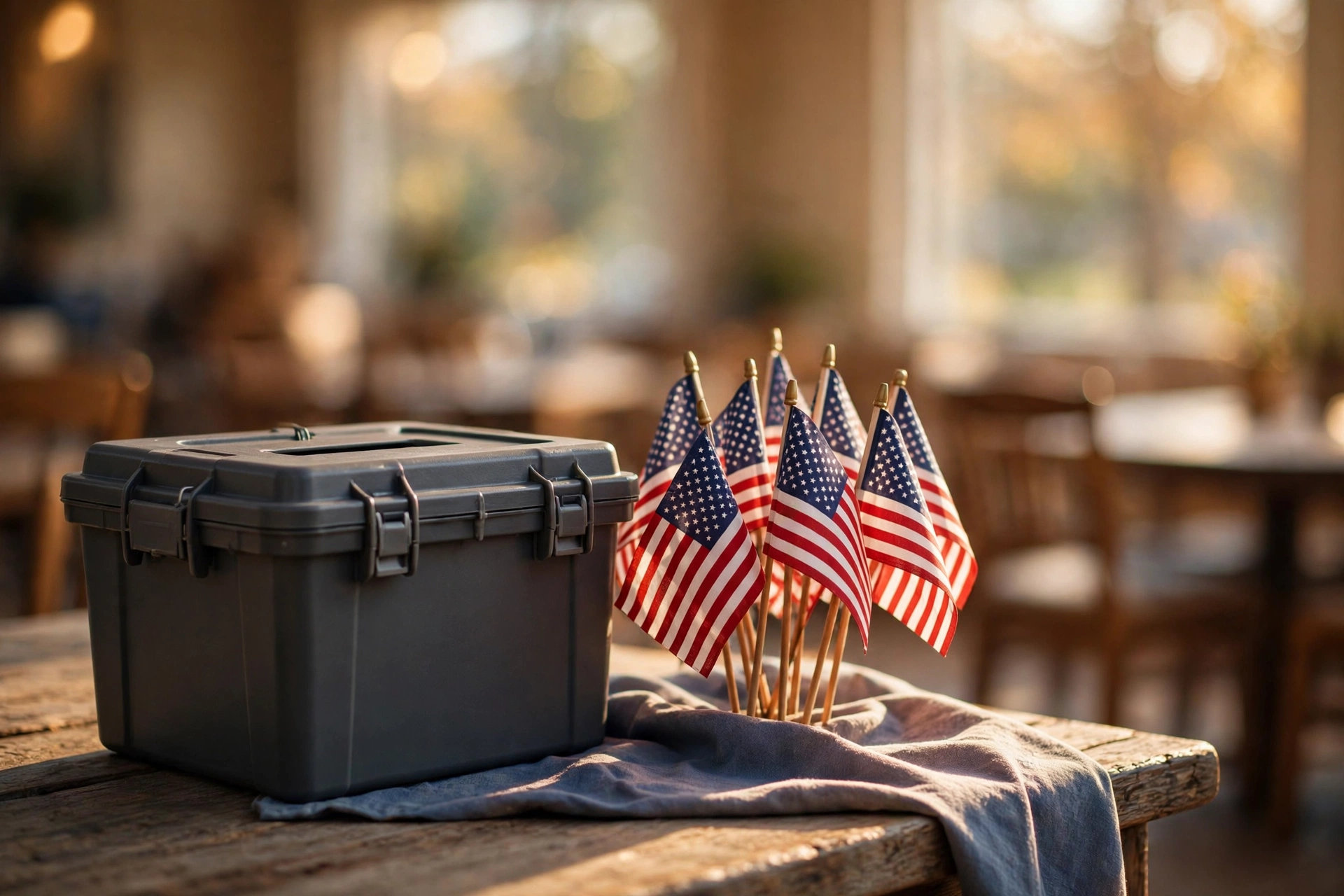
The midterm elections 2026 are shaping up to be among the most consequential in modern American history. With control of Congress hanging in the balance in the midterm elections 2026, voters focused on kitchen-table economics, and the nation's political direction at a crossroads, understanding what is at stake has never been more important.
This guide covers everything you need to know — the races, the issues, the battlegrounds, and exactly how to make your voice heard.
What Are Midterm Elections?
Midterms occur halfway through a president's four-year term. Unlike presidential years, no White House race tops the ballot — but do not mistake that for low stakes. Midterm results have repeatedly reshaped American governance, from the 1994 "Republican Revolution" to the 2018 "blue wave."
What's at Stake in the Midterm Elections 2026
The House of Representatives
All 435 House seats are contested every two years. The House initiates all revenue bills, holds the power of the purse, and launches investigations and impeachments. Even a narrow majority shift transforms what legislation can pass.
The Senate
Roughly one-third of Senate seats are on the ballot. The Senate confirms judges, cabinet officials, and ambassadors, ratifies treaties, and serves as the legislative body's cooling saucer. Senate control determines the fate of judicial nominations for years.
Governorships and State Legislatures
Dozens of governorships and hundreds of state legislative seats are contested. These races shape education funding, infrastructure, criminal justice, voting rules, and abortion policy — the issues that touch daily life most directly. State governments are, as Justice Brandeis observed, the laboratories of democracy.
The Issues Driving Voters
The Economy and Cost of Living
Inflation, grocery prices, fuel costs, and housing affordability dominate voter concerns. When families feel squeezed, incumbents suffer — a pattern as old as the republic. Economic anxiety is the headwind shaping every competitive race.
Immigration and Border Security
Border policy remains a defining divide, with starkly different visions on enforcement, asylum processing, and pathways to legal status. Border states feel the impacts most acutely, but the issue resonates nationally.
Healthcare Access
Rural hospital closures, prescription drug costs, and insurance coverage gaps keep healthcare near the top of voter priorities, especially for older Americans and families managing chronic conditions.
Democracy and Institutions
Polling shows declining public confidence in American political institutions. Debates over voting access, election integrity, and the peaceful transfer of power continue to animate engaged voters on all sides.
The Battlegrounds to Watch
While every race matters, analysts are focused on a handful of states and districts where control will likely be decided:
- Agricultural heartland states like Iowa and Kansas, where economic pressure on farmers is reshaping traditional voting patterns
- Sun Belt suburbs, where fast-growing, diverse populations are rewriting old political maps
- Rust Belt communities balancing industrial heritage against economic transition
Understanding the Money
Modern campaigns run on staggering sums. Follow the money through public FEC filings — knowing who funds a candidate often reveals more than any advertisement. Be skeptical of last-minute attack ads from opaque outside groups.
Your Complete Voting Checklist
1. Verify Your Registration Now
Visit your state's official election website today. Confirm your registration is active, your address is current, and your party affiliation is correct if your state holds closed primaries. Registration deadlines vary — some states allow same-day registration, others close weeks before Election Day.
2. Know Your Dates and Deadlines
Primary dates, registration cutoffs, early voting windows, and mail ballot request deadlines all vary by state. Put every relevant date in your calendar now.
3. Research Beyond the Ads
- Read candidates’ actual platforms, not just their commercials
- Check nonpartisan voter guides from organizations like the League of Women Voters
- Attend town halls or watch candidate debates
- Look at voting records for incumbents
4. Make a Voting Plan
Decide now: will you vote early in person, by mail, or on Election Day? If voting by mail, request your ballot early and return it well before the deadline. If voting in person, know your polling location and its hours — and bring required ID.
5. Bring Others
Elections are community events. Help elderly neighbors get to the polls. Remind friends of deadlines. Historically, the side that turns out its voters wins — participation is power.
Why Your Vote Matters More in Midterms
Turnout drops significantly in midterm years, which means each individual vote carries proportionally more weight. Many House races are decided by just a few thousand votes — some by hundreds. Local ballot measures affecting your taxes, schools, and roads are often decided by tiny margins.
The Bottom Line
Democracy is not a spectator sport. The 2026 midterms will shape American life for years — on the economy, healthcare, immigration, and the health of democratic institutions themselves. Whatever your views, the most powerful statement you can make is showing up.
StateLineDaily encourages every eligible American to register, research, and vote.
How Campaigns Actually Work: Behind the Scenes
Modern campaigns are sophisticated operations. Field organizers knock on doors and make calls to identify supporters. Data teams build models predicting which voters are persuadable and which need a nudge to turn out. Communications staff craft messages tested in focus groups and polls. Fundraising never stops — candidates spend hours daily calling donors.
Understanding this machinery helps you read campaigns critically. When you see an ad, ask: who paid for it, what voters are they targeting, and what are they not saying? The most effective ads often work emotionally precisely because they bypass rational scrutiny.
The Role of Debates and Town Halls
Candidate debates and town halls remain among the few unscripted moments in campaigns. Watch them when you can — not for the zingers that make headlines, but for how candidates handle unexpected questions, whether their numbers add up, and how they treat opponents and questioners. Character reveals itself under pressure.
If a candidate skips debates, that is information too. Ask why.
Ballot Measures: The Overlooked Power
Beyond candidate races, most voters face ballot measures — direct votes on taxes, bonds, constitutional amendments, and policy questions. These often have more immediate impact on your daily life than who represents you in Congress. A school bond shapes your property taxes and your children's classrooms. A minimum wage measure affects local workers directly.
Yet ballot measures receive far less coverage. Make a point of researching each one: read the full text, not just the summary, and seek out arguments from both supporters and opponents. Nonpartisan voter guides are invaluable here.
Young Voters and the Future
Voters under 30 turn out at lower rates than older Americans — but when they do vote, they reshape outcomes. Issues like climate, housing affordability, and student debt motivate young voters disproportionately. Campaigns increasingly invest in reaching them where they are: on social platforms, through peer-to-peer texting, and via issues-first messaging rather than party loyalty appeals.
If you are a young voter, know this: politicians pay attention to groups that vote. The fastest way to make your generation's concerns impossible to ignore is to show up consistently.
Election Security: How Your Vote Is Protected
American elections are administered at the state and county level, creating a decentralized system that is difficult to compromise at scale. Paper ballots or paper trails back the vast majority of votes cast. Post-election audits in many states verify results. Bipartisan teams of poll workers — your neighbors — run polling places.
You can contribute to confidence in the process: vote, volunteer as a poll worker (counties always need them), and rely on official sources for results rather than viral claims. Patience on election night is a civic virtue — accurate counts take time.
After the Election: Staying Engaged
Voting is the beginning of civic participation, not the end. The officials elected in 2026 will make decisions for years. Follow what they do, not just what they promised. Attend local government meetings — city councils and school boards make decisions affecting your street, your schools, your taxes. Contact representatives about issues you care about; constituent contacts genuinely influence legislative behavior.
Democracy works best as a continuous conversation between elections, not a quadrennial transaction.
4 thoughts on “Midterm Elections 2026: Why This Year’s Races Matter More Than Ever”