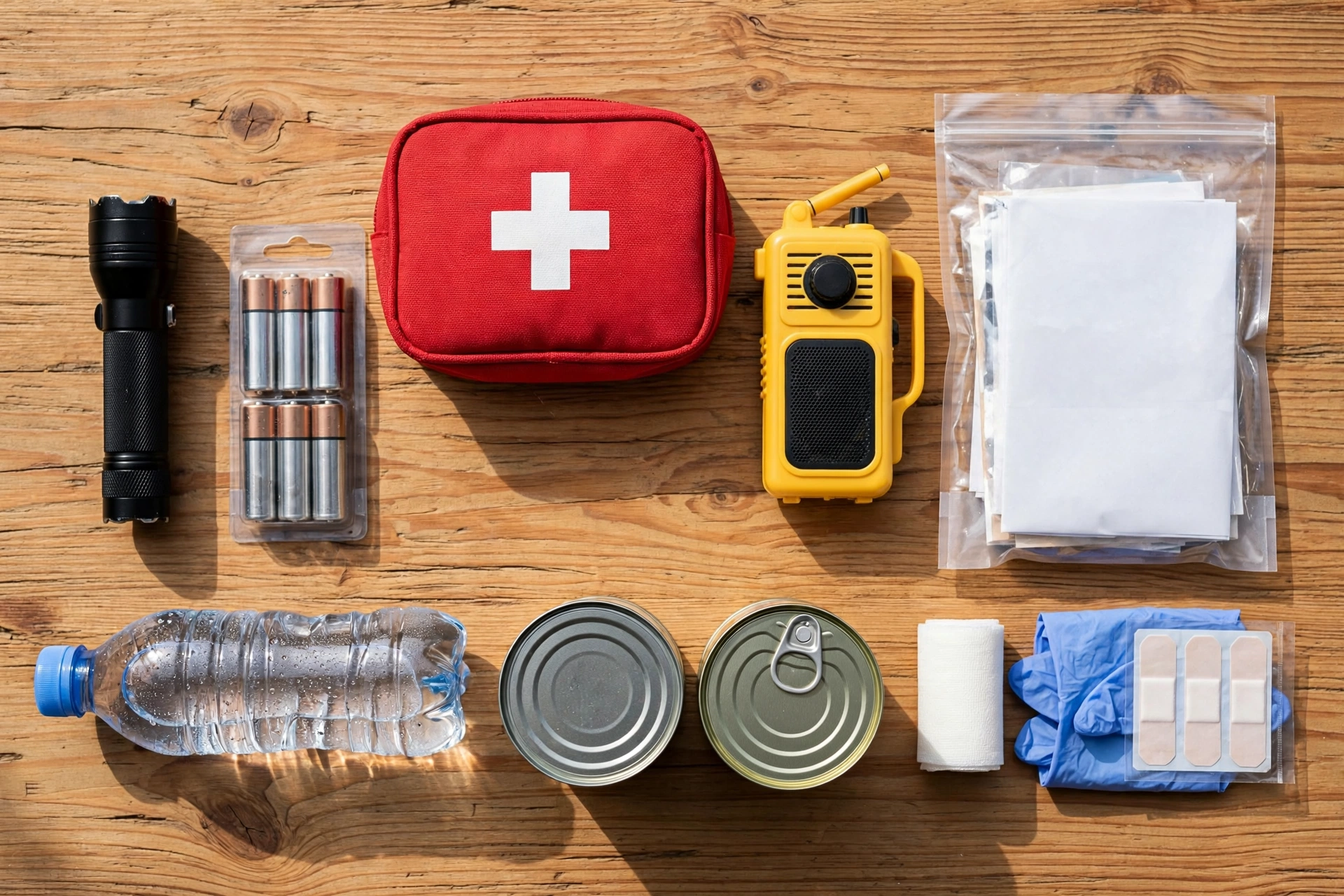
Hurricane preparedness matters because hurricanes are among the most destructive natural disasters in the United States, causing billions of dollars in damage and claiming lives every year. From the Gulf Coast to the Eastern Seaboard, millions of Americans live in hurricane-prone areas. Whether you are a lifelong coastal resident or new to storm country, practicing hurricane preparedness can mean the difference between safety and tragedy.
Recent storms like Hurricane Isaias show why this matters. This comprehensive guide covers everything your family needs to know — before the forecast turns serious, during the storm, and in the difficult days of recovery that follow.
Understanding the Threat
Hurricanes bring multiple deadly hazards beyond just wind:
- Storm surge: A wall of ocean water pushed ashore, often the deadliest aspect of a hurricane
- Extreme winds: Capable of destroying buildings and turning debris into projectiles
- Inland flooding: Heavy rainfall causes flash floods hundreds of miles from the coast
- Tornadoes: Hurricanes frequently spawn tornadoes in their outer bands
The Saffir-Simpson scale rates hurricanes from Category 1 (74–95 mph winds) to Category 5 (157+ mph). But experts emphasize: the category tells you about wind speed, not the full danger. Water — surge and flooding — kills more people than wind.
Hurricane Preparedness: Build Your Kit Before the Storm
Every household should maintain an emergency supply kit year-round in hurricane-prone regions. Your kit should sustain your family for at least three to seven days without outside help.
Water and Food: One gallon of water per person per day for 3-7 days. Non-perishable food: canned goods, energy bars, dried fruit, peanut butter, crackers. Manual can opener. Baby formula and pet food if applicable.
Medical and Health: Seven-day supply of all prescription medications. Comprehensive first-aid kit including bandages, antiseptic, and pain relievers. Prescription glasses supplies. Sunscreen and insect repellent.
Tools and Supplies: Flashlights and extra batteries (avoid candles — fire risk is real). Battery-powered or hand-crank NOAA weather radio. Portable phone chargers and power banks, fully charged. Basic tools: wrench, pliers, duct tape. Waterproof matches.
Documents and Money: Copies of IDs, insurance policies, medical records, and bank information in a waterproof container. Cash in small bills — ATMs and card readers fail during outages. List of emergency contacts.
Know Your Evacuation Zone — Before You Need It
Every coastal state publishes hurricane evacuation zone maps. Find yours now through your state’s emergency management website or county office. Zone A is always evacuated first (closest to water, lowest elevation). Know multiple evacuation routes — your primary road may flood. If officials order an evacuation, leave immediately. The most dangerous decision in any hurricane is waiting too long.
Protect Your Home
Install permanent storm shutters, or pre-cut plywood panels to fit each window (do this in calm weather, not the day before landfall). Consider hurricane straps/clips that anchor the roof to walls — the single most effective structural upgrade. Reinforce garage doors; they are a common failure point. Trim trees regularly and secure outdoor furniture. Review homeowner’s or renter’s insurance annually. Standard policies do NOT cover flooding — that requires separate FEMA flood insurance, which takes 30 days to take effect.
Make a Family Communication Plan
Designate an out-of-state contact everyone checks in with. Teach children how to call for help and where to meet if separated. Plan for pets — verify shelter pet policies ahead of time. If anyone has medical needs requiring electricity, register with your county’s special needs shelter program in advance.
During the Storm: Survival Mode
Go to an interior room on the lowest floor — a closet, bathroom, or hallway away from windows. Stay away from windows, skylights, and glass doors even if shuttered. Never go outside during the eye — the calm lasts 30 minutes or less, then violent winds return from the opposite direction.
Critical safety rules: Never run a generator indoors or in a garage — carbon monoxide is odorless and lethal; place generators at least 20 feet from the house. Never walk or drive through floodwater — six inches of moving water can knock you down; twelve inches can sweep away a car. Turn around, don’t drown. Monitor your weather radio for tornado warnings.
After the Storm: The Long Road Back
Wait for official all-clear before going outside or returning from evacuation. Treat all downed power lines as live — keep 30 feet away. Check for gas leaks and structural damage (sagging ceilings, cracked walls) before re-entering. Photograph and video all damage before cleanup for insurance claims. Beware of contractor fraud — verify licenses, never pay in full upfront, get everything in writing. Discard perishables that spent over two hours above 40°F. Follow boil-water notices. Check on elderly neighbors.
Key Resources to Bookmark Now
FEMA and Ready.gov for preparedness guides. National Hurricane Center (nhc.noaa.gov) for forecasts and tracking. Your county emergency management for local text alerts. 211 helpline for disaster assistance resources.
Final Thoughts
Hurricanes are inevitable; disasters are not. The families who fare best are not the luckiest — they are the most prepared. Build your kit this weekend. Learn your zone today. Talk through your plan at dinner tonight. Share this guide with everyone you love in storm country. Preparedness is a gift you give your whole community.
2 thoughts on “Hurricane Preparedness Guide: What to Do Before, During, and After a Storm”