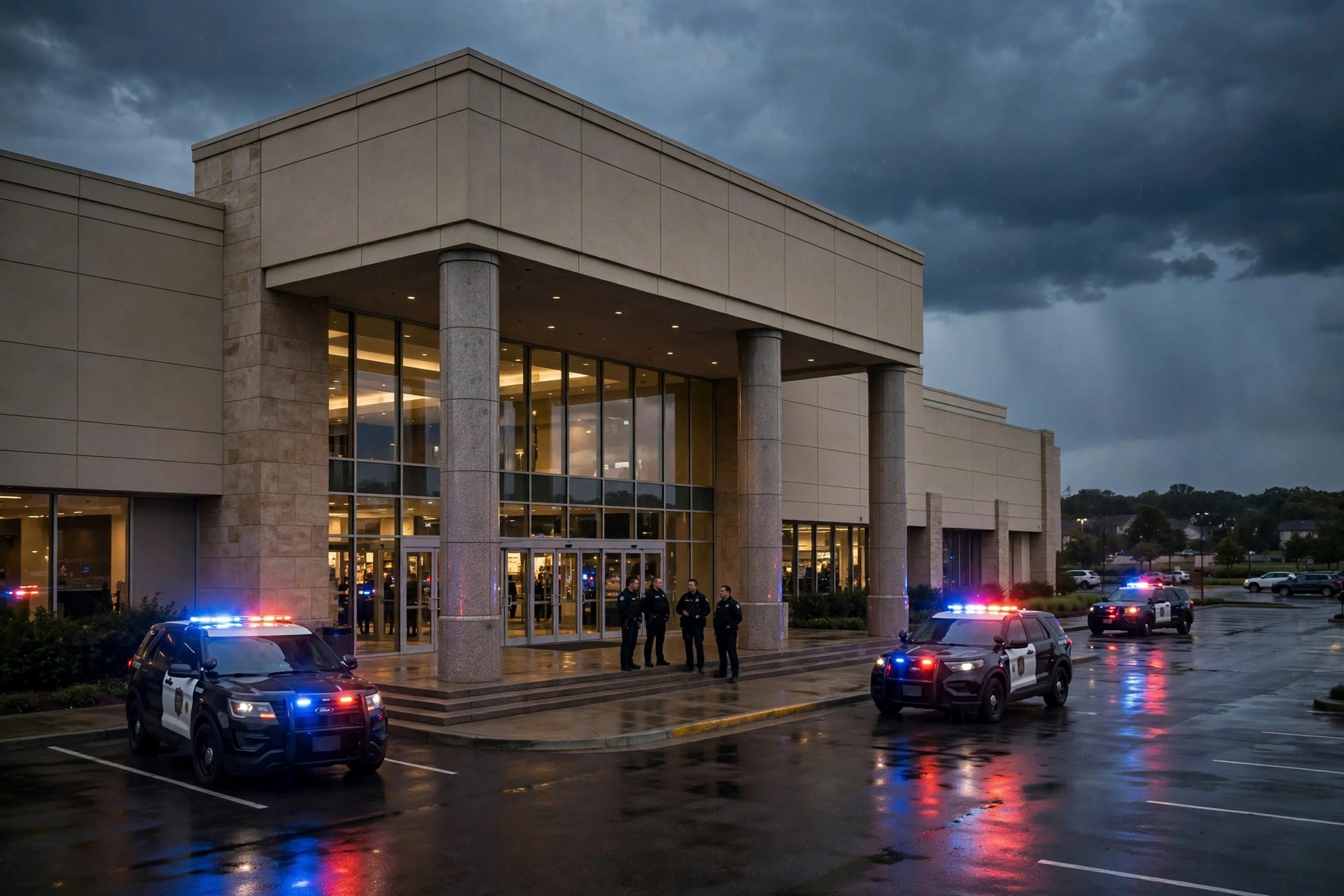
The FBI thwarted a Mall of America terror plot. In what federal officials are calling one of the most significant domestic counterterrorism successes of the year, the FBI has arrested an 18-year-old Minnesota man accused of plotting a mass shooting at the Mall of America in support of the Islamic State. The arrest, announced October 7, capped a nearly two-year undercover investigation and foiled an attack the suspect allegedly planned to carry out on October 24, just two weeks from now.
Sheikhdoon Abdullahi Mohamud, a U.S. citizen living in Richfield, Minnesota, faces one count of knowingly receiving a firearm and ammunition to commit a federal crime of terrorism. The charge carries a maximum sentence of 15 years in prison. At a press conference in Minneapolis, U.S. Attorney Daniel Rosen credited the painstaking investigation with preventing what could have been a devastating attack on one of America’s most iconic public spaces.
How the Investigation Unfolded – Mall of America terror plot
According to a federal criminal complaint, the FBI first came across Mohamud in late 2024, when he was just 16 years old. At that time, investigators say, he began exchanging messages with a confidential source about his desire to travel to Somalia to join al-Shabaab, the al-Qaeda-linked militant group designated as a foreign terrorist organization by the United States, or to join ISIS.
When traveling abroad proved difficult, prosecutors allege, Mohamud shifted his focus to planning an attack on American soil. Over the next nearly two years, he communicated through TikTok and Signal messaging accounts with what he believed were fellow extremists — but who were in fact FBI informants and undercover agents — discussing his intentions in detail.
Court documents describe a suspect who grew increasingly committed to his plan. Prosecutors say Mohamud recorded a video pledging allegiance to ISIS, shared propaganda videos depicting executions, and sent messages repeatedly affirming his intent to carry out a mass-casualty attack against non-Muslims in the Twin Cities region.
By mid-2026, investigators say, Mohamud had settled on a specific date and target: October 24, during a Hmong Arts Celebration at the Mall of America, an event expected to draw large crowds. The choice of date was deliberate — a crowded weekend event would maximize casualties.
The Target and the Motive
The Mall of America in Bloomington, Minnesota, is the largest shopping center in the United States, drawing more than 40 million visitors a year. For a would-be attacker, it represents one of the most crowded and symbolically significant public spaces in the country.
According to the criminal complaint, Mohamud selected the mall in part because he believed it was Jewish-owned — a claim that has no bearing on the property’s actual ownership but which reflected the antisemitic dimension of his alleged motive. In messages cited in the complaint, Mohamud wrote that he wanted to “harm the Jew,” and expressed a desire to attack because, in his words, even killing 30 people would keep people away from the mall permanently.
Prosecutors also allege that Mohamud’s motivation was influenced by his anger over a deadly shooting at a San Diego Islamic center earlier in the year, suggesting a cycle of retaliatory extremism that investigators say is familiar in radicalization cases.
Perhaps most chillingly, the complaint states that Mohamud hoped to kill between 30 and 60 people in the attack. In one message, he wrote that a bomb was too complicated, so he would “just go grab assault rifle” to kill “maybe 30-60 people.”
The Sting Operation
The investigation reached its climax on Tuesday, October 6, when Mohamud met in person with an undercover FBI employee posing as an ISIS associate. In a vehicle at a public park in Richfield, Mohamud paid $600 in cash for what he believed was a working Chinese-made Norinco AK-47 assault rifle, four 30-round magazines, and approximately 200 rounds of ammunition.
The rifle had been rendered inoperable by the FBI before the transaction, ensuring that no one could be harmed even if the suspect attempted to use it. Moments after leaving the vehicle with the items, Mohamud was arrested by agents who had the park under surveillance. Officials say Mohamud reaffirmed his intention to shoot people at the mall while completing the purchase.
U.S. Attorney Rosen praised the operation at Wednesday’s press conference. “This was a radicalized young man who needed to be watched,” Rosen said, adding that FBI agents “were able to detect a threat, and disrupt it, before the defendant carried out his intention to kill.”
National Leaders Respond
The arrest drew swift praise from the highest levels of the federal government. President Donald Trump applauded the investigation on Wednesday, saying “the FBI did a great job.” Attorney General Todd Blanche thanked the local and federal officials involved for their “diligent work” in a post on social media, writing that “these threats are taken extremely seriously” and that he was grateful “this attack was stopped in its tracks.”
FBI Director Kash Patel celebrated the operation on X, writing that the FBI is finding terrorists before they can attack Americans and vowing to keep using every resource to dismantle their networks across the country. Patel specifically credited the FBI’s Minneapolis field office, saying the agents “likely saved lives.”
Rosen, for his part, used the occasion to underscore a broader warning: “Today’s charges demonstrate that the threat of terrorism in support of ISIS and other foreign terrorist organizations is active and continuing.”
A Pattern of Foiled Plots
The Mall of America terror plot case is the latest in a series of recent counterterrorism successes involving undercover stings. Law enforcement experts say the pattern reflects both the persistence of ISIS-inspired radicalization — particularly among young people recruited online — and the FBI’s reliance on long-term undercover operations to identify and disrupt would-be attackers before they act.
The case also highlights how social media and encrypted messaging platforms have become central to both radicalization and counterterrorism. Investigators say Mohamud’s initial contacts and much of his subsequent communication occurred over TikTok and Signal, platforms where extremist content and encrypted conversations can flourish beyond public view.
Counterterrorism experts have long warned that large public gatherings — shopping malls, concerts, festivals — remain attractive “soft targets” for lone-actor attackers. The planned October 24 date, coinciding with a cultural celebration expected to draw families, underscores how vulnerable such events can be.
What Comes Next
Mohamud is in federal custody and is expected to make his initial court appearance in Minneapolis in the coming days. It was not immediately clear whether he had retained an attorney. Federal prosecutors will need to prove that he knowingly received the firearm and ammunition for the purpose of committing a federal crime of terrorism — a case built substantially on the recorded messages and the video pledge of allegiance cited in the complaint.
For the Twin Cities, the foiled Mall of America terror plot is a sobering reminder of the threats that can emerge from within any community. For law enforcement, it is being held up as a model of proactive counterterrorism — nearly two years of patient surveillance and undercover work ending with an arrest and no injuries.
As Rosen put it at the press conference: agents detected the threat and disrupted it before a single shot was fired. In a year marked by security anxieties, that is a result few would dispute.
2 thoughts on “FBI Thwarts Alleged ISIS-Inspired Terror Plot at Mall of America”