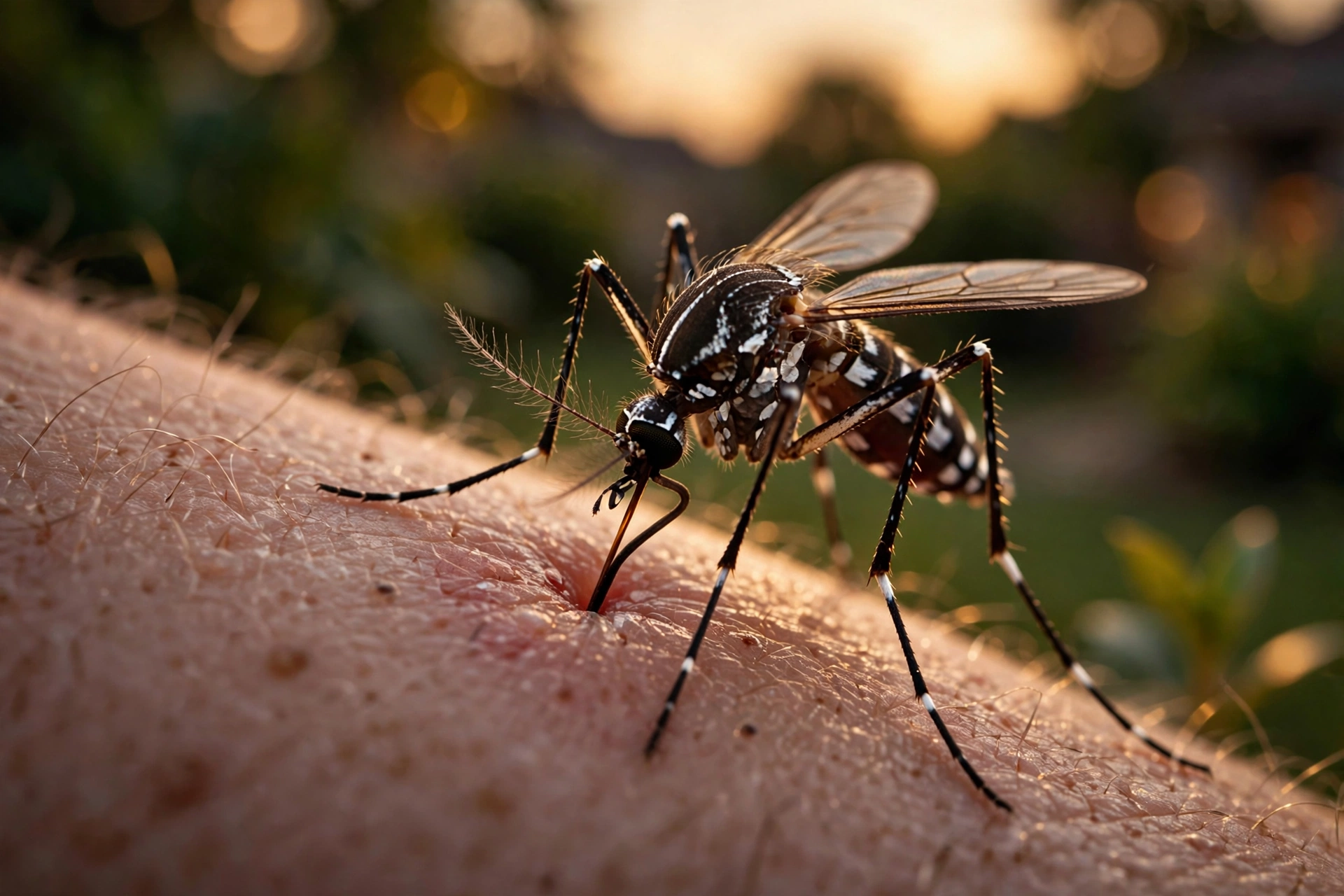
Two adults in central North Carolina have died after contracting West Nile virus, state health officials confirmed this week, putting the mosquito-borne illness back in the national spotlight as the West Nile virus North Carolina deaths become the latest grim marker in a busy 2026 transmission season. The deaths, announced by the North Carolina Department of Health and Human Services, occurred in mid-September and early October, and come as federal data show 11 human cases of the virus in the state so far this year — and more than 1,100 cases across the country.
Health officials are urging residents to take mosquito precautions seriously, warning that older adults and people with underlying health conditions face the greatest risk of severe illness. Here is what is known about the deaths, how the virus spreads, the symptoms to watch for, and how to protect yourself and your family while mosquito season winds down.
What We Know About the West Nile Virus North Carolina Deaths
The North Carolina Department of Health and Human Services first disclosed the two deaths in an October 9 social media post, noting that both victims were adults from the central part of the state. The agency has not identified the counties where the patients lived, nor their ages or genders, citing privacy concerns.
State officials said the two people who died were among the adults most vulnerable to the virus. The West Nile virus North Carolina deaths occurred in mid-September and early October, according to information the department provided to national media this week — right in the window when mosquito activity typically remains high in the Southeast.
North Carolina has confirmed 11 human West Nile virus cases as of October 6, according to data from the Centers for Disease Control and Prevention (CDC). The state’s first 2026 case was announced on August 5 in a Gaston County resident; around the same time, a West Nile virus-positive blood donor was also identified in Mecklenburg County. That two deaths have now been recorded among just 11 confirmed cases underscores how dangerous the virus can be for those who develop severe illness.
Health officials across the country are reporting a heavy season. The CDC has recorded 1,172 human cases of West Nile virus in the United States this year, including 250 in California and dozens more in Texas, Arizona, Colorado and New York. The virus remains the leading cause of mosquito-borne disease in the contiguous United States, causing an average of about 2,000 reported cases each year, including roughly 1,200 neuroinvasive cases and about 120 deaths.
How Does West Nile Virus Spread?
West Nile virus spreads almost exclusively through the bite of an infected mosquito. Mosquitoes become infected when they feed on infected birds, then pass the virus to humans and other animals through subsequent bites. The mosquito species most often responsible for transmission are found statewide in North Carolina and are most active between dusk and dawn.
Importantly, humans are considered “dead-end hosts” for the virus. People do not carry enough of the virus in their bloodstream to infect mosquitoes that bite them, so the illness generally does not spread from person to person through mosquito bites.
In rare cases, the virus has spread through other routes, including blood transfusions and organ transplants, transmission from mother to baby during pregnancy, childbirth or breastfeeding, laboratory exposure, and occupational exposure to infected blood or tissue, such as when handling injured birds. These routes are uncommon, and mosquito bites remain the overwhelming driver of infections.
Most human cases in the United States occur between July and September, but transmission can continue into the fall. About 6 percent of cases recorded in 2023 had symptom onset in October through December, so the risk does not vanish the moment summer ends. Public health officials say mosquito activity — and therefore risk — continues until the first hard frost.
West Nile Virus Symptoms to Watch For
One of the most deceptive things about West Nile virus is how often it causes no symptoms at all. About 80 percent of people infected never feel sick, which means the true number of infections is far higher than reported case counts suggest.
About 20 percent of infected people develop what is known as West Nile fever — a flu-like illness with symptoms including fever, headache, body aches, joint pain, vomiting, diarrhea or rash. Symptoms usually begin 2 to 14 days after a bite from an infected mosquito, most commonly between 2 and 6 days. Most people with mild illness recover completely, though fatigue and weakness can linger for weeks or months.
Fewer than 1 percent of infected people develop severe illness that affects the central nervous system — such as encephalitis (inflammation of the brain) or meningitis — which can require hospitalization and, in rare cases, lead to death. Warning signs of severe disease include high fever, neck stiffness, muscle weakness, confusion, tremors or difficulty walking. Anyone experiencing these symptoms, especially an older adult, should seek medical care immediately.
The CDC notes that about one in ten people who develop severe illness die from it — a statistic that makes the two recent West Nile virus North Carolina deaths, while tragic, consistent with what doctors expect when the virus turns severe.
Who Is Most at Risk?
While anyone can be infected, certain groups face a much higher risk of severe illness and death. The North Carolina health department emphasizes that older adults and people with underlying health conditions are at the greatest risk.
People with medical conditions such as cancer, diabetes, hypertension, kidney disease or weakened immune systems are more likely to develop the neuroinvasive form of the disease. Age is one of the clearest risk factors: people 65 and older are several times more likely to develop neurologic illness than younger adults.
Still, serious illness is not limited to the elderly. This season, Stanislaus County in California confirmed its first West Nile death of 2026 in an adult under 50 who developed the neuroinvasive form of the disease. And in Shelby County, Illinois, an 86-year-old man died in September after becoming the county’s first known human case of the year. A DuPage County, Illinois resident also died in early October — that county’s first West Nile-related death of 2026, with six human cases reported.
The takeaway from public health officials is consistent: no age group is immune, and prevention matters for everyone.
How to Prevent West Nile Virus in 2026
There is currently no licensed vaccine and no specific medicine to prevent or treat West Nile virus disease in people. Care for severe cases is supportive, focused on managing symptoms in a hospital setting. That makes bite prevention the single most important defense.
The North Carolina Department of Health and Human Services and the CDC recommend these practical steps:
- Use EPA-registered insect repellent. Products containing DEET (20 to 30 percent), picaridin, IR3535 or oil of lemon eucalyptus provide documented protection when applied to exposed skin and clothing.
- Cover up. Wear long sleeves, long pants and socks, especially from dusk to dawn when mosquitoes are most active. Clothing treated with the insecticide permethrin offers protection that lasts through multiple washes.
- Limit outdoor activity at peak hours. Reduce time outdoors between dusk and dawn. If you do go out, use repellent and cover exposed skin.
- Repair screens. Make sure window and door screens fit tightly and are in good repair to keep mosquitoes out of the home.
- Eliminate standing water. Drain flowerpot saucers, buckets, birdbaths, children’s toys, wading pools and gutters at least once a week. Mosquitoes can breed in as little as a bottle cap of water.
Residents who garden, walk or sit outdoors in the evening — a group that includes many older adults — benefit most from these precautions. Health departments also advise reporting dead birds or persistently green pools to local vector control districts, since both can signal active mosquito breeding.
West Nile Virus in the US: The 2026 Picture
The West Nile virus North Carolina deaths are part of a nationally active season. California is bearing the heaviest burden: the state has reported 210 human cases across 23 counties and 15 deaths, with overall virus activity reaching a five-year high. Los Angeles County alone has logged 135 infections and five deaths, with officials noting that a larger share of the mosquitoes present are carrying the virus even though overall mosquito numbers are below average.
Georgia has confirmed eight human cases and one death, with mosquito traps testing positive in multiple counties. Illinois, Rhode Island and North Carolina have all reported deaths or first-of-season cases in recent weeks. As autumn progresses, health departments expect reported case counts to keep ticking upward because of reporting lags — and because mosquito season typically lasts through October in much of the country.
If you are planning fall travel or outdoor activities in the Southeast or Southwest, keep mosquito protection on the checklist alongside your usual preparations. For more on staying healthy through the cooler months, see our complete guide to flu season 2026.
What to Do If You Get Bitten
Most mosquito bites are harmless and need no special treatment. But after a bite in an area with active West Nile transmission, watch for symptoms in the days that follow. Mild symptoms — fever, headache, body aches, rash — that appear 2 to 14 days after a bite are worth a call to a clinician, especially for an older relative or someone with a chronic condition.
Seek urgent medical care for sudden high fever, severe headache, stiff neck, confusion, muscle weakness or difficulty walking. Early supportive care makes a difference in severe cases, and doctors advise against waiting to see whether neurological symptoms improve on their own.
There is no reason to panic — the vast majority of bites never lead to illness, and most infections resolve without incident. But the two West Nile virus North Carolina deaths are a reminder that this common seasonal virus deserves respect, particularly for the people in our families and communities who are most vulnerable.
Frequently Asked Questions
Can West Nile virus spread from person to person? No. Humans are “dead-end hosts,” meaning the virus does not generally spread from person to person through mosquito bites. Rare exceptions involve blood transfusions, organ transplants and mother-to-baby transmission.
Is there a vaccine for West Nile virus? No. There is currently no licensed human vaccine and no specific antiviral treatment. Prevention through mosquito bite avoidance is the only reliable protection.
How long does mosquito season last? Mosquito season typically runs through October in much of the United States, and risk continues until the first hard frost. Keep using repellent and removing standing water into the fall.
What are the early symptoms? Most infections cause no symptoms. About 20 percent of infected people develop fever, headache, body aches, joint pain, vomiting, diarrhea or rash, usually 2 to 6 days after being bitten.
When should I see a doctor? Contact a clinician for fever and flu-like symptoms following mosquito exposure, and seek emergency care for high fever, stiff neck, confusion or muscle weakness. For a detailed explainer of the national picture, USA Today has published a comprehensive overview of the virus and how it spreads.
*StateLineDaily will continue monitoring West Nile virus activity across the United States as the 2026 season progresses.*